
Course 101 is your structured, plain-English introduction to the investing world. Instead of throwing you into complex charts or jargon, this course walks you step by step through the core building blocks of real-world investing: what the major asset classes are, how markets behave, and how to think about risk so you can protect and grow your money over time.
You will start by defining who you are as an investor and what you want your money to achieve. From there, we explore how stock market booms and crashes really work, why risk management matters more than stock tips, and what happens when you buy a stock, ETF, bond, fund, or commodity.
-

101-01 What Type Of Investor Are You?
What type of investor are you and why does it matter? Do you speculate, do you day trade or do you really invest? These all have an impact on your effort vs reward.
-

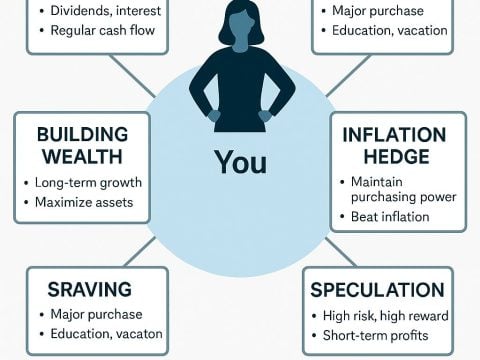
101-02. What are your investment goals?
What are your investment goals? Generating income, saving, planning for retirement, or maximizing your wealth?
-
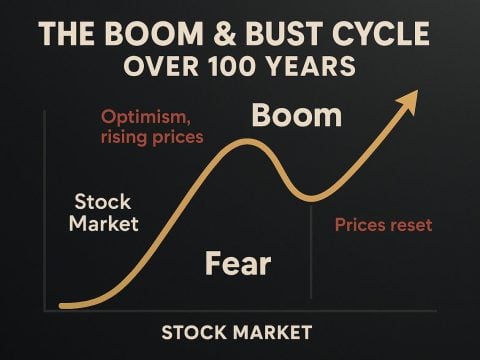
101-03 Stock Market Booms & Crashes
There are many reasons why stock markets booms and crashes happen. One reason is that people invest based on emotion rather than logic.
-
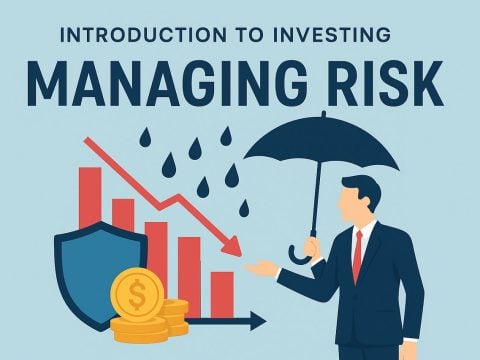
101-04 Managing Financial Risk in Stock Investing
Effective risk management is essential to safeguard investments and bolster profitability. Investing in stocks necessitates adept management of various risks, such as market volatility, credit exposure, liquidity challenges, and interest rate fluctuations.
-
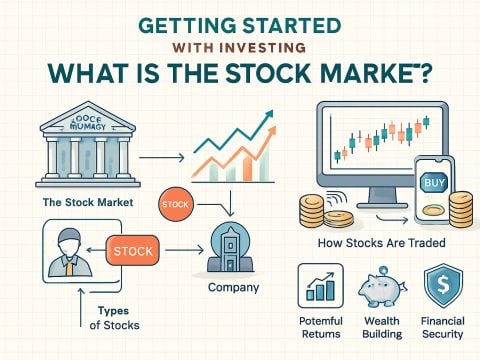
101-05 What Is The Stock Market? Learn The Basics
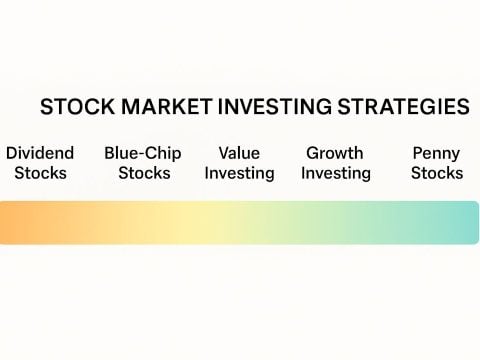
The stock market provides many ways to invest, including investing for dividends, penny stocks, blue chips, small-capitalization stocks, exchange-traded funds (ETFs), mutual funds, hedge funds, and real estate investment trusts (REITS).
-
101-05.1 Types of Stock Investments
The stock market is where you buy small pieces of real businesses. Those pieces are called shares or stocks. When you own a share, you participate in that company’s success or failure. This lesson shows you the main ways to invest in the stock market, the role of dividends, how you can get real estate…
-
101-05.3 Stock Market Fraud & How to Avoid It
The stock market rewards patience, research, and discipline. Unfortunately, it also attracts scammers who prey on greed, fear of missing out, and a lack of knowledge. Understanding how stock market scams work is one of the most effective forms of risk management you can practice. This lesson explains the most common stock market scams, including…
-
101-06 Stock, Bonds, Risks & Claims
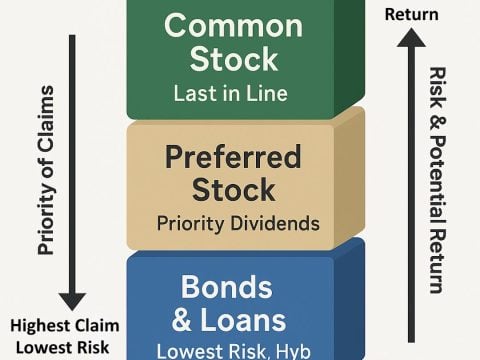
There are two main types of stock: common stock and preferred stock. Common stock is the most basic form of stock and gives shareholders voting rights and a share in the profits or losses of the company.
-
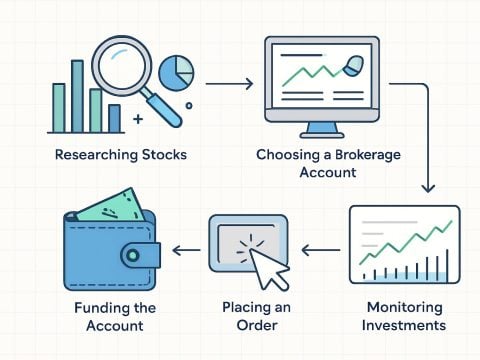
101-07 Guide: How to Buy Stocks for the First Time
Pump and dump, short and distort, Ponzi schemes, and insider trading are all scams you need to understand to avoid losing money in stocks.
-
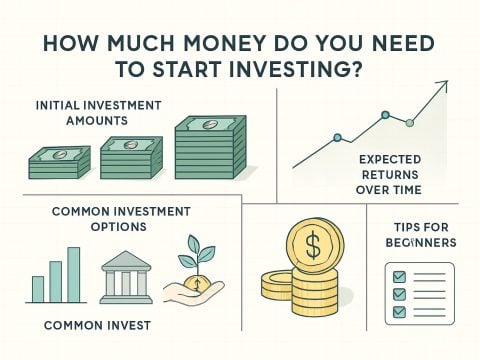
101-07.1 How Much Money Do You Need To Begin Investing
You really don’t need a huge pile of cash or a fancy degree to start investing. These days, you can jump in with just $10 on platforms offering fractional shares, so you get a slice of big-name companies without blowing your budget. Forget the myth that you need thousands—just start early and keep at it.…
-
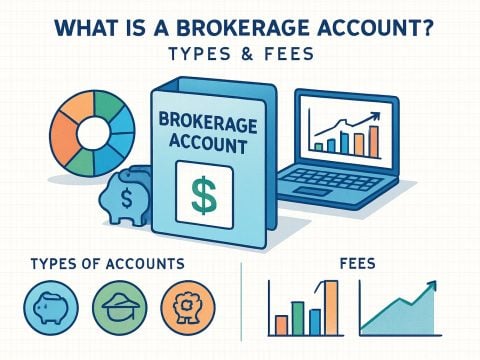
101-07.2 Guide to Brokerage Accounts and Costs
A brokerage account gives you direct access to the financial markets. You’ll use it to buy and sell investments like stocks, bonds, exchange-traded funds (ETFs), and mutual funds through a licensed brokerage firm. A brokerage account acts as a flexible, taxable investment account where you can build wealth by trading and holding a wide range…
-
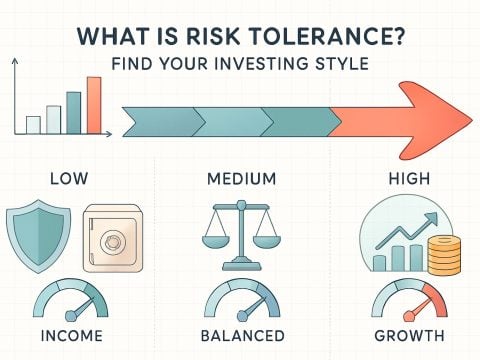
101-07.3 What Is Your Risk Tolerance? Find Your Fit
How much risk can you really handle? That’s the question at the heart of smart investing. Risk tolerance is the level of uncertainty you’re willing to accept to pursue financial growth. It shapes every investment decision you make—from picking stocks to balancing your portfolio. And honestly, knowing your tolerance helps you stay steady when markets…
-
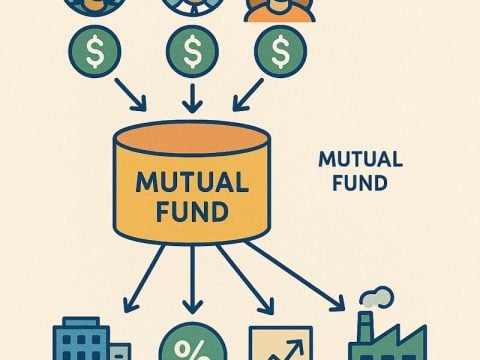
101-08 Investing in Mutual Funds
Mutual funds are one of the simplest ways to get started in the markets. Instead of picking individual stocks or bonds, you hand your money to a professional fund manager who builds and runs a portfolio for you. For many people, mutual funds are the default choice inside retirement plans and investment accounts. But simple…
-
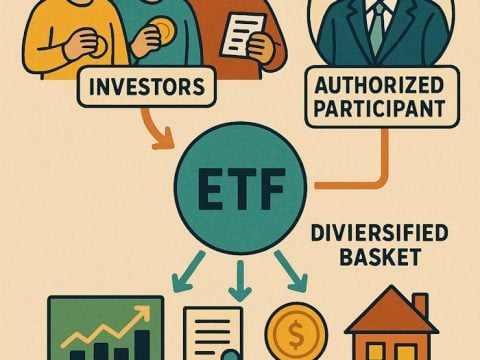
101-09 A Practical Guide to ETFs for New Investors
Exchange-Traded Funds (ETFs) are an effective way to invest in nearly every imaginable market segment, industry, or market index.
-
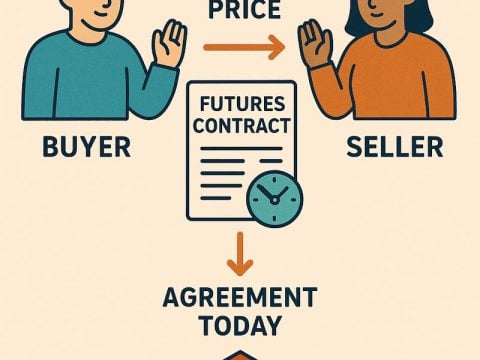
101-11 How Futures Markets Work: A Practical Guide
Futures contracts are traded on the futures markets. They differ markedly from other contracts or financial transactions. Learn more about investing…
-
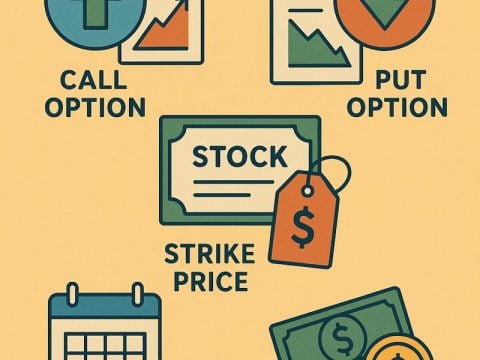
101-12 How Stock Options Work
A stock option is a contract that gives the holder the right, but not the obligation, to buy or sell a security at a specific price within a specific time frame.
-
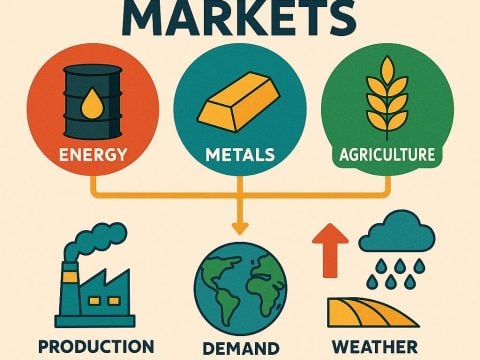
101-13 How Commodities Markets Work
Understanding Commodities Markets: A Complete Guide for New Investors Commodities markets are among the oldest and most influential parts of the global financial system. Long before stocks, ETFs, and digital assets existed, farmers, merchants, and producers traded commodities to lock in prices and manage economic risk. Today, commodities markets continue to play a central role…
-
101-14 Investing in Precious Metals
Precious metals have played a central role in global economics for thousands of years. Long before stock markets, central banks, or digital currencies existed, gold and silver were used as money, stores of value, and symbols of wealth. Today, they remain essential components of global financial markets because they offer something rare: an asset with…
-
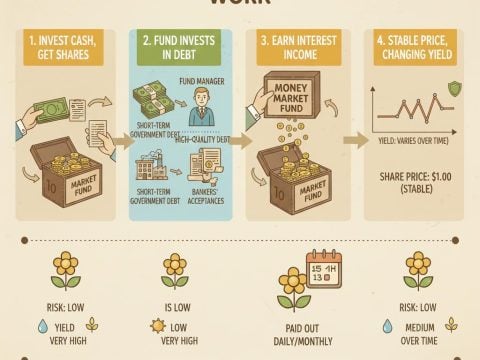
101-16 Investing in Money Markets
Money markets are the low-risk, short-term side of investing. While stocks, ETFs, and commodities aim for growth, money market instruments focus on capital preservation and liquidity. They are where investors park cash that may be needed soon, earn modest interest, and reduce overall portfolio volatility. Understanding money markets is essential for building a solid financial…
-
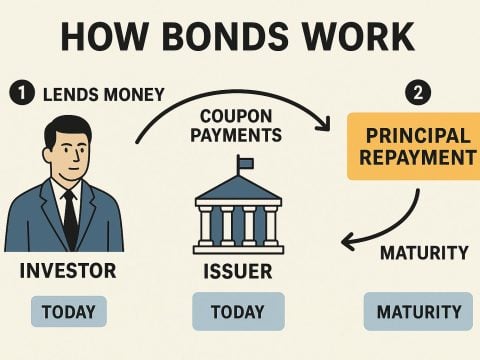
101-17 Investing in Bonds
A bond is an agreement between an issuer, usually a corporation or a government and a holder usually a commercial institution, individual or another government.


Across 17 concise lessons, you will build a clear mental map of the investing landscape:
- Understand different investor types, financial goals, and time horizons.
- See how stock markets, ETFs, mutual funds, hedge funds, and REITs actually operate.
- Learn the essentials of futures, options, commodities, precious metals, Forex, money markets, and bonds.
- Discover how diversification, asset allocation, and cash management help you control risk.
- Recognize which instruments are suitable for beginners and which belong only in advanced portfolios.
By the end of Course 101, you will no longer see investing as a confusing collection of products and buzzwords. Instead, you will understand how the pieces fit together, what each asset class is designed to do, and how to decide whether a given investment belongs in your life at all.
This course is the foundation for everything that follows at Liberated Stock Trader. After you complete it, you will be ready to move on to the more detailed work of selecting stocks, building strategies, and reading charts in Courses 102 and 103—with a solid, risk-aware mindset already in place.
looking forward to learn stockmarket principles
Look forward to learning and glad to be a part of. Thanks